I am a techno optimist, but even I am struggling to make the maths work on the $10+ trillion AI buildout
I am a techno optimist, but even I am struggling to make the maths work on the $10+ trillion AI buildout.
So I wrote an essay about what needs to be true for this capital to generate a healthy return within a sensible time horizon.
TL;DR: This would require generating $6 trillion in additional revenue annually (Germany's GDP). And this ramp needs to happen in the next 3–5 years. Not in the next few decades.
When multiple AI companies are together projecting trillions in revenue, demand in the economy becomes an important variable:
- Some of that spending can come from existing budgets and businesses saving money elsewhere.
- But consumers might not buy trillions worth of new products.
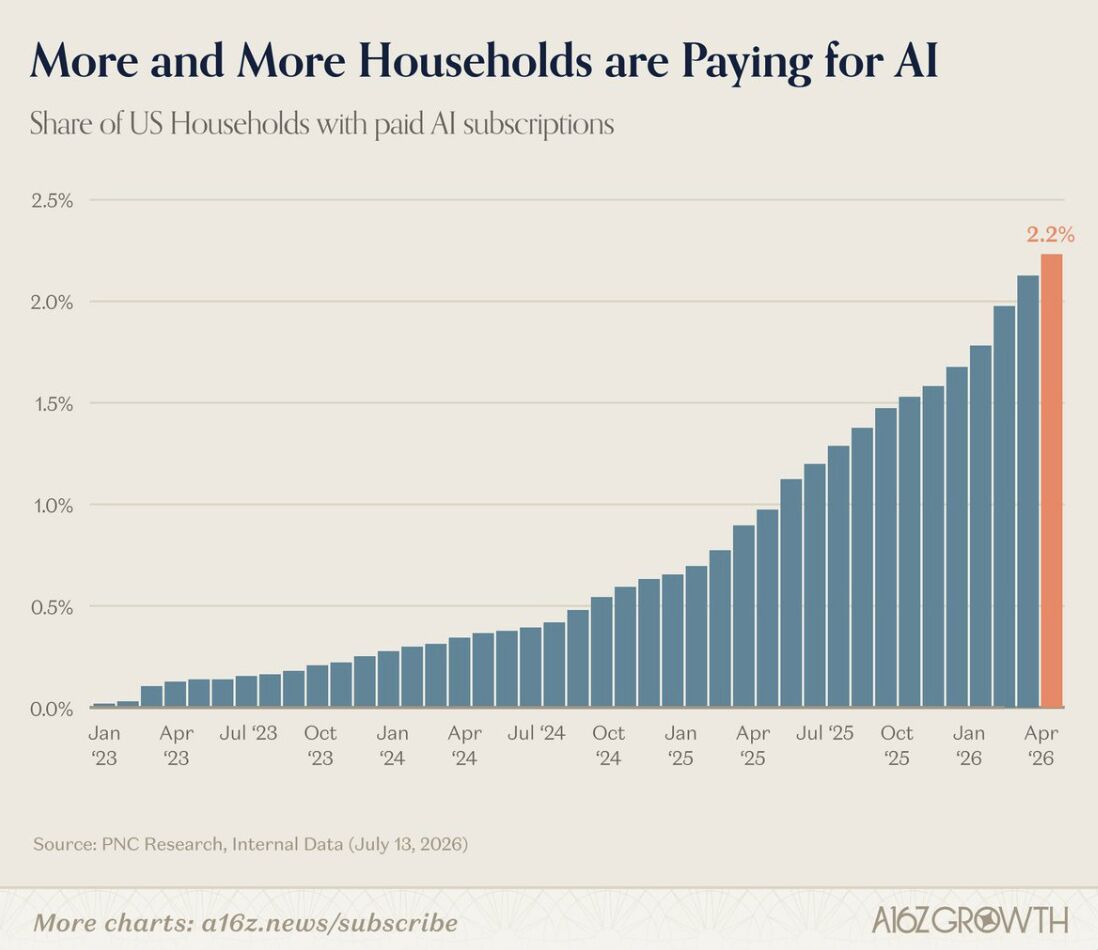
- How much new consumer demand can we reasonably expect at a time when only 2% of US households are paying for AI subscriptions and consumer confidence is at historic lows?
And then there is the timing. A treatment developed 20 years from now could save millions of lives without rescuing a company that ran out of cash in <10 years.
This has happened before in the telecom buildout and bust: the internet kept growing but many companies which built the infra went bust.
I am skeptical of the financial returns in this first phase. But the potential value to human lives is so great that we should continue building anyway.
The full essay: Being Right About AI Could Still Lose You a Fortune.